Home Moves in the UK: A Practical, SEO-Friendly Look at Planning, Packing, and Settling In
Home moves in the UK can feel exciting, stressful, and surprisingly complex all at once. Whether you are relocating across town, moving into your first flat, upsizing for a growing family, or starting fresh in a new city, the process involves more than simply loading boxes into a van. From choosing the right moving date to organising removals, preparing documents, and making sure utilities are ready, every step matters. That is why understanding home moves in UK can save time, reduce pressure, and help you settle into your new property smoothly.
A successful move begins long before moving day. It starts with planning, sorting, and making practical decisions about budget, timing, transport, and packing. Many households in the UK also need to coordinate school runs, work schedules, lease dates, and chain-related deadlines, which can make moving house even more demanding. Still, with the right approach, home moves in the UK can become far more manageable and less chaotic.
In this article, we look at the moving process from start to finish. You will find useful advice on preparation, packing, transport, post-move tasks, and the small details that often get overlooked. If you are planning home moves in the UK, this article will help you stay organised and confident at every stage.
Understanding Home Moves in the UK
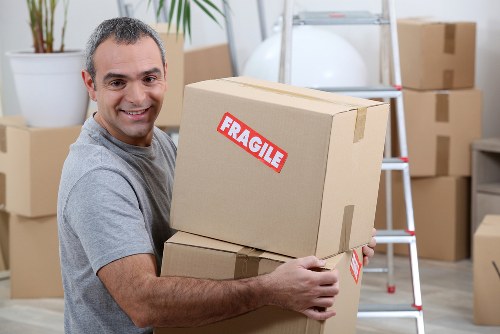
Home moves in the UK are shaped by several local factors, including property chains, lease terms, mortgage approval times, rental notice periods, and regional differences in transport access. Unlike a simple delivery job, a house move often requires careful coordination between estate agents, solicitors, landlords, removal teams, and utility providers. This is especially true in busy areas such as London, Manchester, Birmingham, Glasgow, and other major urban centres.
One of the biggest reasons home moves in the UK feel stressful is timing. Many people are moving while balancing work commitments, family life, and deadlines linked to buying or renting. Because of that, moving house is not just about physical relocation; it is also about logistical planning and communication. The more organised you are, the easier it becomes to keep the move on track.
It also helps to understand what kind of move you are making. Are you moving from a one-bedroom flat into a larger family house? Are you relocating for a job? Is it a rental move with a fixed handover date? Each situation changes the amount of packing, transport, and planning required. That is why home moves in UK settings should always be approached with a personalised plan rather than a one-size-fits-all method.
Planning Your Move Early

The earlier you begin planning, the smoother your home move is likely to be. Ideally, preparation should begin several weeks before moving day, and in many cases, even earlier. Creating a moving checklist is a simple but effective way to stay organised. It helps you track tasks such as booking a removal service, updating your address, packing room by room, and arranging time off work.
Early planning is especially important for home moves in the UK because certain dates can be in high demand. Fridays, weekends, and end-of-month slots are often booked quickly by removal companies. If you can be flexible with your move date, you may find better availability and possibly lower costs. Choosing a midweek move can also reduce traffic pressure and make loading and unloading easier.
Another important planning step is creating a budget. Home moves in UK households can involve multiple costs: packing materials, removal services, storage, cleaning, insurance, and travel expenses. Even small purchases add up quickly. A clear budget helps you avoid surprises and ensures you can prioritise the services that matter most.
Key planning tasks to complete early
- Set a realistic moving date
- Compare removal quotes
- Notify your landlord or solicitor where needed
- Book time off work
- Start decluttering unnecessary items
- Order packing supplies in advance
Decluttering Before Packing

One of the smartest ways to simplify home moves in the UK is to declutter before you start packing. Moving is the perfect opportunity to sort through belongings and decide what you truly need. Carrying unused items to a new property only creates extra work, extra boxes, and extra cost. Instead, think of the move as a chance to reset your space.
Rooms, cupboards, and storage areas often contain items that have not been touched for years. Clothes, books, kitchen gadgets, old paperwork, and spare electronics are common culprits. As you sort through everything, ask yourself whether each item is useful, valuable, or meaningful. If not, consider donating, recycling, selling, or responsibly disposing of it.
This process can also make unpacking much easier. When you only take what you need, your new home feels tidier and more intentional from day one. For many families, home moves in UK properties become less overwhelming once the clutter is reduced. Fewer items mean fewer boxes, faster loading, and a cleaner fresh start.
A simple room-by-room decluttering method
- Choose one room at a time
- Create four piles: keep, donate, sell, discard
- Work from top shelves to bottom drawers
- Remove duplicates first
- Set deadlines for selling or donating items
Packing Tips for a Smoother Move

Packing is one of the most time-consuming parts of home moves in the UK, but it becomes far more manageable when you use a structured method. Start with items you use less often, such as seasonal clothes, decorative pieces, and spare linens. Leave everyday essentials until last so you can continue living comfortably while preparing for the move.
Good packing is about more than putting items into boxes. It is about protecting your belongings and making unpacking easier. Use sturdy boxes, tape, bubble wrap, paper, and labels. Heavier items should go into smaller boxes to prevent damage and reduce strain when lifting. Fragile items need extra care, especially glassware, mirrors, and electronics.
Labelling is one of the most overlooked steps in home moves in UK households. Clear labels tell you which room each box belongs to and what it contains. A simple colour-coding system can save time on moving day and reduce confusion after arrival. Mark boxes with terms such as kitchen essentials, bedroom items, or fragile to make unpacking more efficient.
Packing essentials to keep close
- Chargers and important electronics
- Medication and toiletries
- Snacks and bottled water
- Change of clothes
- Important paperwork
- Basic cleaning supplies
Why an essentials box matters
An essentials box can make the first night in your new home much easier. Instead of searching through dozens of boxes, you will have the items you need right away. This small step is especially helpful during busy home moves in UK properties, where unpacking may take longer than expected.
Choosing the Right Removal Support

Not every move requires the same level of support, but professional removal services can make a huge difference. For many families, home moves in the UK are simply too large or too physically demanding to manage alone. A reliable removals team can handle lifting, transport, and loading in a way that reduces injury risk and saves time.
When comparing services, look at what is included. Some companies provide packing assistance, furniture dismantling, storage, and transit protection, while others focus only on transport. The best choice depends on your budget and how much help you need. If you are moving from a small flat, a man-and-van solution might be suitable. For larger household moves, a full removal service may be more practical.
It is also wise to check whether the provider is insured and experienced with the type of property you are moving from and to. Narrow staircases, parking restrictions, and shared entrances can all affect the move. In many home moves in UK towns and cities, access is just as important as distance. Make sure the removal team understands your property layout in advance.
Questions to ask before booking
- What is included in the quote?
- Is packing support available?
- Are there additional charges for stairs or long carries?
- Do you provide insurance cover?
- Can you handle same-day or short-notice moves?
Preparing Your Current Property
Before moving out, it is important to leave your current property in good condition. This is especially relevant for rented homes, where final inspections may affect the return of your deposit. Even if you are buying, a tidy and well-prepared property is a courtesy to the next occupants. Home moves in the UK are smoother when you plan for both departure and arrival.
Once your belongings are packed, clean each room carefully. Focus on kitchens, bathrooms, skirting boards, windows, appliances, and hidden areas such as behind furniture. If possible, keep some cleaning supplies aside until the very end so you can freshen up the home after the last items are removed. Photograph the empty property if needed, particularly if you are renting.
Do not forget to check cupboards, lofts, garages, and outdoor spaces. It is easy to overlook chargers, tools, or sentimental items that were tucked away for safekeeping. A final walkthrough is a sensible last step before handing over the keys. Many home moves in UK properties become stressful only because small items are left behind at the final moment.
End-of-property checklist
- Remove all personal belongings
- Take meter readings
- Clean each room thoroughly
- Lock windows and doors
- Return keys as instructed
- Record any final property details
Settling Into the New Home
Arrival day is exciting, but it can also be exhausting. Once you reach your new home, focus first on essentials: safety, utilities, and access. Check that electricity, water, gas, heating, and broadband arrangements are in place or scheduled. If anything needs attention, deal with it early so you can avoid unnecessary disruption.
Unpacking should happen in stages rather than all at once. Start with the rooms that affect daily life most, such as the bedroom, bathroom, and kitchen. That makes it easier to rest, wash, and prepare meals even if the rest of the house is still full of boxes. This structured approach is one of the easiest ways to handle home moves in the UK without feeling overwhelmed.
Take time to familiarise yourself with the new area too. Learn where the nearest shops, pharmacies, GP services, schools, and transport links are located. A new neighbourhood can feel unfamiliar at first, but settling in becomes simpler when you create routines early. Small actions, like walking the local streets or introducing yourself to neighbours, can make the property feel like home more quickly.
First-day priorities after moving
- Set up beds and bedding
- Find toiletries and basic kitchen items
- Check heating and lighting
- Unpack important documents
- Connect phones and chargers
Utilities, Address Changes, and Essential Admin
Administrative tasks are a major part of home moves in UK households. Once your move is confirmed, you need to update addresses across multiple services and accounts. This includes your bank, employer, GP, dentist, insurance providers, subscription services, and local council. Missing one of these can create avoidable issues later.
Utilities also need attention. Gas, electricity, water, broadband, and council tax arrangements should all be reviewed before and after the move. Make sure old accounts are closed or transferred properly and that readings are recorded accurately. This can prevent billing disputes and make the transition between properties much cleaner.
For families with children, schools and childcare providers should be informed as early as possible. If your move involves a new catchment area or a change in daily travel, planning ahead is essential. These admin tasks may seem boring compared to the exciting parts of moving, but they are a core element of successful home moves in the UK.
Important organisations to notify
- Bank and credit card providers
- Employer and payroll department
- GP, dentist, and optician
- Insurance providers
- HMRC where relevant
- Council tax office
- DVLA and vehicle insurers
Moving with Families, Pets, and Special Circumstances
Not every move is the same. Some households must manage children, pets, elderly relatives, or special accessibility needs. In these cases, home moves in UK homes require extra preparation. For children, it helps to explain the move early, involve them in simple decisions, and keep familiar items close on the day. A favourite toy or blanket can be very comforting during the transition.
Pets also need careful planning. Cats, dogs, and smaller animals can become stressed by noise, boxes, and unfamiliar activity. It is usually best to arrange a quiet space for them or ask a friend or family member to look after them on moving day. Make sure food, water, bedding, and medication are kept nearby so your pet can settle in gradually once you arrive.
If someone in the household has mobility needs or health concerns, think carefully about access, parking, stairs, and the layout of the new property. Home moves in UK situations like these may need more time, more support, and better communication with the removal team. The goal is to make the process safe, calm, and efficient for everyone involved.
Tips for family-friendly moving
- Keep routines consistent where possible
- Pack a comfort bag for children
- Arrange pet care during loading and unloading
- Label family essentials clearly
- Allow extra time for rest breaks
Reducing Stress on Moving Day
Moving day can feel intense, but stress can be reduced with a few simple habits. The best approach is to stay calm, start early, and follow your plan. Keep your phone charged, important documents close, and the essentials box accessible. If you are working with a removal team, make sure they know where everything should go in the new property.
It is wise to prepare for delays. Traffic, weather, loading issues, and unexpected access problems can all affect the timeline. Home moves in the UK do not always run exactly to schedule, so patience is important. Build in buffer time if possible and avoid planning too many other commitments on the same day.
Try to focus on one task at a time instead of trying to do everything at once. Check off completed steps, drink water, and eat something if the day becomes long. Even a well-organised move can be tiring, but the right mindset helps you keep control. Many people find that home moves in UK properties feel much less stressful when they accept that perfection is not the goal; progress is.
Quick moving-day reminders
- Keep documents in one folder
- Confirm keys and access details
- Protect floors and walls if needed
- Carry valuables separately
- Do a final sweep before leaving
Why Home Moves in the UK Are Worth the Effort
Although moving can be demanding, it also brings a fresh start. A new property can offer more space, better location, improved transport links, or a better lifestyle. For many people, home moves in the UK are linked to major life changes such as growing families, new careers, or a desire for a better work-life balance. That makes the effort worthwhile.
It also helps to think of the move as an opportunity to reshape your space. A new house or flat gives you the chance to organise rooms differently, improve storage habits, and create a home that suits your current needs. Whether you are in a city centre apartment or a suburban semi-detached house, a successful move can support a better daily routine.
The key is preparation. When you plan ahead, declutter carefully, pack systematically, and organise your admin, home moves in UK settings become far easier to manage. The result is less stress, fewer mistakes, and a better transition into the next chapter of your life. If you are ready to make your next move simpler, book your service now or contact us today to take the next step with confidence.
Final checklist before you move
- Confirm dates and times
- Pack an essentials bag
- Take meter readings
- Update key addresses
- Check parking and access
- Review the property one last time
Home moves in the UK do not have to be overwhelming. With the right planning, clear packing methods, and a reliable approach to organisation, you can turn a stressful task into a manageable project. Whether you are moving locally or across the country, the fundamentals remain the same: prepare early, stay organised, and give yourself enough time to settle in properly.