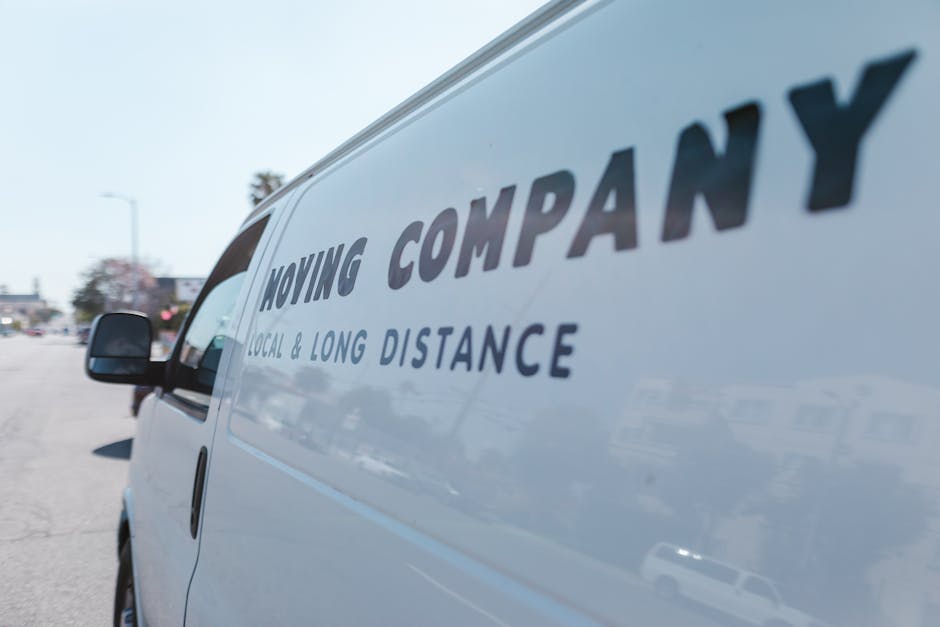
Preparing a long distance removals job from quote to final delivery
Long distance moving sounds simple on paper: get a quote, book a truck, turn up at the new place, done. In real life, it is a chain of decisions, timings, checks, and a fair bit of coordination. Preparing a long distance removals job from quote to final delivery means managing that chain properly so the move feels controlled rather than chaotic. If you are shifting from London to Manchester, Glasgow, Cornwall, or even just crossing several counties, the details matter more than most people expect.
Truth be told, the move usually goes better long before moving day. The quote stage, inventory, access checks, packing plan, loading order, travel timing, and delivery window all affect how smooth the job feels at the end. This guide breaks the process down step by step, with practical advice you can actually use. You will also find useful checks, common mistakes, and a realistic example of how a long distance removal is planned from start to finish.
For a wider look at the services behind the move, you may also find the main removal services page useful when comparing options.
Table of Contents
- Why preparing a long distance removals job from quote to final delivery matters
- How the process works
- Key benefits and practical advantages
- Who this is for and when it makes sense
- Step-by-step guidance
- Expert tips for better results
- Common mistakes to avoid
- Tools, resources and recommendations
- Law, compliance, standards, or best practice
- Options, methods, or comparison table
- Case study or real-world example
- Practical checklist
- Conclusion
- Frequently asked questions
Why Preparing a long distance removals job from quote to final delivery Matters
A long distance removal is not just a bigger local move. The distance multiplies the small risks. A box labelled badly can be a nuisance on a short hop; on a 300-mile move it can become a delay, a missing item, or an awkward unpacking job at the other end. The same goes for access issues, fragile furniture, parking restrictions, or underestimating how long loading and unloading really take.
Why does this matter so much? Because the quote you accept sets expectations for the whole move. If the inventory is vague, the vehicle too small, or the delivery plan too loose, you may end up paying for avoidable delays. On the other hand, a well-prepared move gives the removal team a clean route through each stage. Everything fits together. The result is less stress, fewer surprises, and better value for money.
There is also a trust angle here. When a company provides a clear, sensible quote and then follows through with proper planning, it tells you something important about how they work. Good removals are built on process, not guesswork. That sounds obvious, but in moving terms, it really is the difference between a calm day and a day that feels like it is wobbling slightly from 8am onward.
Expert summary: the better you prepare the job at quote stage, the easier every later step becomes. Good planning reduces handling errors, transport delays, and last-minute cost changes. Simple, but true.
If you are still comparing service types, the dedicated house removals page can help you understand what a home move typically includes, while office removals is more relevant for business relocations with tighter timing.
How Preparing a long distance removals job from quote to final delivery Works
The process usually starts with an enquiry and a quote request. From there, the mover gathers details about the property, access, distance, volume of belongings, packing needs, and any special items. That information is used to estimate the right vehicle size, crew size, and likely time required. Sometimes a video survey or home survey is used. Sometimes it is all handled remotely, but the details still need to be solid.
Once the quote is accepted, the job is planned in layers. First comes scheduling. Then packing and labelling. Then loading, transit, and delivery. For longer routes, there may be overnight timing, ferry arrangements, or a delivery window based on road conditions and arrival access. Each stage depends on the one before it. That is why a rushed quote often leads to a messy delivery.
In a well-run move, the team knows what is going, what stays, what needs extra protection, and what must be delivered first. The client knows when to be ready, who to contact, and what to expect if the new property is not immediately available. It sounds tidy because it is tidy. Not perfect, just organised.
For packing support, the packing and unpacking services page is worth a look if you want less hands-on preparation, and packing and boxes is useful if you prefer to do most of it yourself.
Key Benefits and Practical Advantages
Proper preparation is not only about avoiding disasters. It gives you practical advantages at every stage of the move. You gain better cost clarity, better timing, and better protection for your belongings. You also reduce the chance of awkward conversations on the day, which nobody enjoys, especially when the kettle is already packed.
- More accurate quotes: a detailed inventory helps removers price the job realistically.
- Lower risk of damage: suitable packing and loading order protect fragile and bulky items.
- Less waiting around: everyone knows the timing, access, and delivery plan.
- Better use of space: the right vehicle size avoids wasted trips or overstuffing.
- Smoother handover: clear labelling helps you find essentials quickly at the new home.
There is a quieter benefit too: confidence. Once the details are written down and agreed, the move stops living only in your head. That matters more than people admit. When you are balancing a tenancy end date, school arrangements, work, and a house full of boxes, confidence is not a luxury. It is part of the service.
| Preparation area | What it improves | What can go wrong if skipped |
|---|---|---|
| Survey and quote | Accurate pricing and vehicle planning | Underquoting, delays, extra charges |
| Packing and labelling | Speed and item tracking | Missing boxes, breakages, confusion on delivery |
| Access checks | Safe loading and unloading | Parking issues, long carrying distances, time overruns |
| Delivery scheduling | Predictable arrival and handover | Waiting fees, missed handover windows |
Who This Is For and When It Makes Sense
This approach makes sense for almost anyone planning a significant move, but it is especially useful if you are travelling a long way, moving a full household, relocating a business, or handling expensive or awkward items. Families usually need it because there are more belongings and more moving parts. Professionals need it because time is tight. Students and smaller households benefit too, though the scale may be simpler.
It also makes sense if you are moving from a flat with stairs, a terraced house with limited parking, or a property with tricky access. Those conditions can affect labour and timing more than the mileage itself. And yes, a move that looks straightforward on a map can still be awkward in person. A narrow street at school-run time will soon remind you of that.
If your move includes short-term storage, the storage page is a practical next step. For smaller, flexible moves, man with van can be relevant, while a full-service move may be better suited to removals.
Step-by-Step Guidance
1. Start with a clear inventory
Write down what is moving. Not vaguely. Properly. Rooms, furniture, boxes, special items, and anything that needs disassembly should be listed. If a wardrobe is too large to go down the stairs, say so early. If there is a piano, mention it at the first conversation rather than casually on moving day. That tiny detail can change the whole plan.
2. Request a quote based on real information
A reliable quote depends on honest detail. Give the mover the addresses, access notes, floor levels, parking restrictions, approximate volume, and whether packing support is needed. If the company offers a survey, take it seriously. A 15-minute video walk-through can save hours later. Honestly, it is one of those boring tasks that pays you back immediately.
3. Confirm timing and route planning
For long distance removals, timing is not just a diary issue. Traffic, weather, roadworks, tolls, and delivery access all matter. Ask how the collection and delivery are scheduled. If the delivery property is not ready at the same time, ask what happens next. A good mover will explain whether the load can be held temporarily or whether storage should be considered.
4. Pack in a way that matches the journey
Longer travel means more vibration, more handling, and more chance of boxes shifting. Use sturdy boxes, enough tape, and sensible weight limits. Put heavier items lower, fragile items protected, and essentials in one labelled box. Mark rooms clearly. A box marked "kitchen essentials" is much more helpful than "misc". We have all done the latter, and then regretted it at 11pm.
5. Prepare access at both ends
Check parking, lift access, entry codes, stair width, and loading distance. If permits are needed, sort them in advance. If there is no easy parking, tell the removers. The difference between a front-door unload and a long carry from the nearest legal space can be enormous. It affects time, manpower, and how tired everyone feels by the time the final table is in place.
6. Keep a delivery day essentials bag
Take documents, keys, chargers, medication, snacks, pet supplies, and a change of clothes with you. The most important box is not always a box. Sometimes it is a rucksack. You do not want to be unpacking every carton just to find the toothbrush and phone charger. That is the kind of tiny annoyance that becomes weirdly large after a seven-hour journey.
7. Check the load before departure
Before the vehicle leaves, confirm that the main items are on board and that special instructions are understood. If you are doing a partial move, make sure anything staying behind is clearly separated. A quick check can prevent a very unfun phone call later.
8. Plan the handover at destination
On delivery, direct the team room by room if needed. Place boxes where they belong and note any damage immediately. If assembly is included, check that the correct furniture is rebuilt in the right room. A few minutes spent here can save a long evening of guessing which bolt belongs to which bed.
Expert Tips for Better Results
Here are the little things that make a long distance move go more smoothly. None of them are flashy. All of them help.
- Use one master moving note: keep inventory, contact numbers, access details, and delivery instructions together.
- Colour-code rooms: even simple coloured stickers can speed up unloading.
- Pack an overnight bag as if your main boxes might arrive last: it happens, and it is better to be relaxed than annoyed.
- Photograph valuable or delicate items: useful for your own records and for clarity if a question comes up later.
- Disassemble only when needed: unnecessary dismantling creates extra risk and extra time.
- Keep children and pets out of the main loading path: calmer for everyone, and safer too.
One small but useful habit is to treat the move as two jobs: departure and arrival. People often think the work ends once the lorry leaves the old address. It does not. The delivery side deserves just as much planning, particularly if the new property has limited access, awkward stairs, or a narrow time slot for keys.
If you are moving large items, especially delicate ones, reading about piano removals or furniture removals can help you understand the extra care certain items need.
Common Mistakes to Avoid
Most removal problems are not dramatic disasters. They are ordinary mistakes made a little too late. The good news is that most of them are avoidable.
- Giving an incomplete inventory: the quote may look cheaper, but the job will be harder to deliver properly.
- Underestimating access issues: long carries, stairs, and no-parking zones can add time quickly.
- Poor labelling: this creates confusion at unloading and slows everything down.
- Leaving packing too late: rushed packing leads to breakages and missing essentials.
- Not confirming delivery timing: especially risky when completion times are uncertain.
- Forgetting insurance questions: ask what is covered and under what conditions.
Another classic mistake is assuming all long distance removals work the same way. They do not. A same-day direct move, a move with storage, and a staged business relocation are different animals. Different schedules, different risks, different handover points. It pays to match the plan to the actual move rather than hoping everything will somehow fit itself together. Spoiler: it usually will not.
Tools, Resources and Recommendations
You do not need specialist software to organise a move, but a few simple tools make a real difference. A notes app or spreadsheet can track rooms, items, and task dates. Strong labels, coloured tape, zip bags for screws, and decent packing materials are worth the money. So are photograph folders for furniture condition and important documents.
For practical support before the move, these pages may help depending on your situation: packing and boxes, packing and unpacking services, and removal truck hire if you need the transport element on its own. For a smaller, lighter move, the removal van page can also be relevant.
Households with surplus items sometimes combine a move with decluttering. That is sensible. You really do not want to pay to transport things you no longer need. A bit of editing beforehand can reduce cost and stress. Not glamorous, but effective.
For more moving advice, the stress-free house moving tips article and the guide on decluttering tips are both useful practical reads.
Law, Compliance, Standards, or Best Practice
For any move involving a professional removals company, you should expect proper care around safety, insurance, and honest business practice. In the UK, people generally look for clear terms, understandable pricing, and sensible handling procedures. You do not need legal jargon. You need a company that explains what is included, how items are protected, and what happens if plans change.
It is also sensible to ask about staff training, manual handling, load securing, and vehicle suitability. These are not fancy extras. They are part of doing the job properly. If a company mentions its health and safety policy and insurance and safety arrangements, that is a good sign that the move has been thought through. You may also want to review terms and conditions and payment and security details before confirming the booking.
Best practice also includes clear complaint handling and transparent customer information. If something goes wrong, it helps to know the route for resolving it. For sustainability-minded customers, recycling and disposal matters can be relevant too, especially when reducing waste before a move or dealing with unwanted furniture. The recycling and sustainability page covers that side of the picture.
Options, Methods, or Comparison Table
Different long distance moves need different methods. The right choice depends on your volume, access, budget, and timing. Here is a straightforward comparison to help you think it through.
| Method | Best for | Pros | Watch-outs |
|---|---|---|---|
| Full-service house move | Most family and full-property moves | Less work for you, better planning, more support | Higher cost than self-managed transport |
| Man and van | Smaller loads, flexible timing | Good for lighter jobs, easier to book | May be less suitable for large or complex moves |
| Truck hire | DIY movers with enough help | More control, can be cost-effective | You handle more of the work and risk |
| Move with storage | Gap between leaving and arriving | Flexible during property chain delays | Extra planning and storage costs |
For larger commercial jobs, commercial moves and office relocation services are usually the more appropriate fit. For student-sized loads, the planning needs are lighter, though still worth doing properly. The main point is simple: choose the method that fits the move, not the one that sounds easiest at first glance.
Case Study or Real-World Example
Consider a family moving from a three-bedroom home in outer London to a house in the Midlands. They have furniture, several fragile boxes, a home office setup, and a dining table that needs partial disassembly. They also have no parking directly outside either property. Straight away, the mover knows the job needs more than a van and a few boxes.
At quote stage, the family shares room-by-room details, photos of the staircase, and the access notes for both addresses. The mover recommends a pre-move survey and suggests packing assistance for the fragile items. A delivery window is agreed that allows for travel time without forcing the crew into a rushed finish. The customer is also advised to keep essentials separate and label boxes by room.
On collection day, the team arrives with the correct vehicle and enough equipment to protect furniture. Loading is organised so that the items needed first at the new property go near the rear access point, making unloading quicker. By early evening, the family has the beds rebuilt, the kitchen essentials in place, and enough of the move complete to make the first night manageable. Not perfect, but smooth. And honestly, that is what most people really want.
This kind of outcome is rarely an accident. It is the result of good information, steady planning, and a mover who treats quote-to-delivery as one connected job rather than a series of disconnected tasks.
Practical Checklist
Use this checklist to keep the move on track.
- List every room and major item in the property.
- Confirm floor levels, parking, stairs, lifts, and access restrictions.
- Request a detailed quote based on real information.
- Check what packing help is included, if any.
- Book the move only after dates and delivery timing are clear.
- Label boxes by room and priority.
- Set aside essentials for the first 24 hours.
- Protect fragile items with proper materials.
- Prepare permits or building access arrangements if required.
- Review insurance, payment terms, and cancellation conditions.
- Keep contact details and key documents with you.
- Walk through the property after delivery before signing off.
If you are moving on a tight timeline, the same-day removals page may be relevant, though longer routes need extra care and coordination. For specialist items, do not be shy about asking questions early. That part saves stress later.
Conclusion
Preparing a long distance removals job from quote to final delivery is really about building a clean handover from one property to another. The quote should be based on proper information, the packing should match the journey, access should be checked at both ends, and delivery should be planned with the same care as collection. When those pieces line up, the whole move feels calmer and more predictable.
That does not mean every long distance move is effortless. They rarely are. But it does mean you can reduce the usual friction and avoid the sort of problems that come from haste, guesswork, or vague planning. A good removals job feels almost invisible when it is done well. You notice the lack of drama more than anything else. And that is a good thing, really.
Get a free quote today and see how much you can save.
Frequently Asked Questions
What is included in preparing a long distance removals job from quote to final delivery?
It usually includes the inventory, survey or quote request, packing plan, access checks, loading, transport, delivery scheduling, and final placement of items at the destination. The exact scope depends on the service level you choose.
How far in advance should I book a long distance removal?
As early as you reasonably can, especially for peak periods such as weekends or month-end dates. Longer moves need more coordination, so earlier booking gives you better choice and fewer compromises.
Should I choose a survey or just send photos?
Photos can work for simpler moves, but a survey is usually better if you have a full household, large furniture, stairs, or tricky access. The more complex the move, the more a proper assessment helps.
How do removers calculate a long distance quote?
They normally look at the volume of goods, access at both properties, distance, crew size, vehicle needs, packing requirements, and timing. Special items and storage needs can also affect the price.
What is the biggest risk in a long distance move?
In many cases, the biggest risk is poor planning rather than the distance itself. Incomplete inventories, weak labelling, and access problems are common causes of delay and stress.
Do I need to pack everything myself?
Not necessarily. Some people pack their own boxes and leave fragile or bulky items to the removers. Others use a packing service for the whole job. It depends on time, budget, and how hands-on you want to be.
What should I keep with me on moving day?
Keep documents, keys, medication, chargers, valuables, snacks, and a basic overnight kit with you. It is much easier to carry those personally than to hunt for them in a van full of boxes.
Can I combine long distance removals with storage?
Yes, and it is often useful if there is a gap between leaving one property and moving into the next. Storage is a practical option when completion dates do not line up neatly.
What if my new property is not ready on delivery day?
Ask about storage or a revised delivery plan before the move happens. Do not leave that question until the van is on the road. A backup plan matters when property dates shift.
Is insurance really necessary for a removals job?
It is sensible to understand what cover is in place and what the conditions are. Good removals companies should be clear about insurance and safety, but you should still ask questions so there are no surprises.
How do I avoid damage to furniture during a long journey?
Use the right packing materials, protect edges, disassemble where sensible, and make sure items are loaded securely. Furniture that is tightly secured and properly wrapped is far less likely to arrive with scuffs or breaks.
What is the best way to compare removal companies?
Compare more than the headline price. Look at what is included, whether the quote is detailed, how they handle access and special items, and whether their communication feels clear and trustworthy. That tends to tell you a lot.
Do long distance removals include assembly at the other end?
Sometimes they do, sometimes they do not. If you need beds, wardrobes, or other items rebuilt, confirm it before booking. It is one of those details people often assume, then suddenly realise they should have asked earlier.
What should I do after delivery?
Check the items, note any issues straight away, and make sure essentials are in the correct rooms. Then take a breath. The move is not just a task completed; it is the beginning of settling in.